Luang Phor Sodh and the Dhammakaya Meditation Tradition
The influential monk who founded the Dhammakaya method and how his legacy connects to one of Thailand's largest modern temples.

A Modern Master with Ancient Methods
Luang Phor Sodh Candasaro (1884–1959) occupies a unique position in 20th century Thai Buddhism. As the abbot of Wat Paknam Bhasicharoen in Thonburi, he developed and systematized a meditation technique known as Vijja Dhammakaya — "knowledge of the Dhamma body" — that he presented as a recovery of the Buddha's original meditation instructions.
The Dhammakaya Method
Vijja Dhammakaya centers on visualization of a crystal Buddha image at the center of the body, progressively refined through stages of deepening concentration. Practitioners describe experiences of inner light, peace, and ultimately direct perception of a "Dhamma body" — an internal image of the Buddha identified with the practitioner's own enlightened potential.
Whether this method is orthodox Theravada or a creative innovation remains debated among scholars and within the Buddhist community. What is undeniable is its effectiveness for many practitioners: Luang Phor Sodh developed thousands of devoted students during his lifetime.
Wat Paknam Bhasicharoen
Luang Phor Sodh's home temple became a major center of Bangkok Buddhism under his leadership. He served as abbot for decades, transforming a relatively modest temple into a significant educational and practice center.
Today Wat Paknam Bhasicharoen is famous for an enormous Buddha image — a 69-meter Buddha under construction that rises above the Thonburi skyline — and continues as a major pilgrimage site.
His Amulets
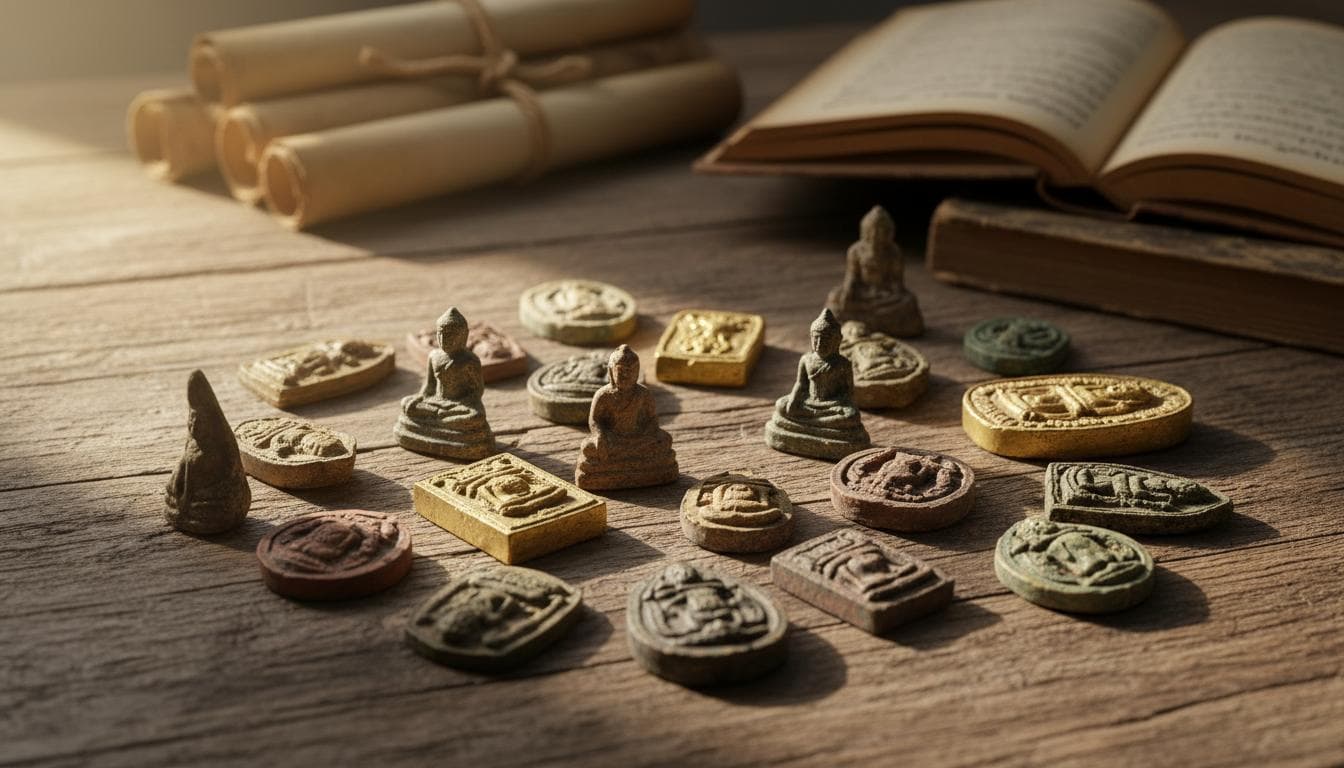
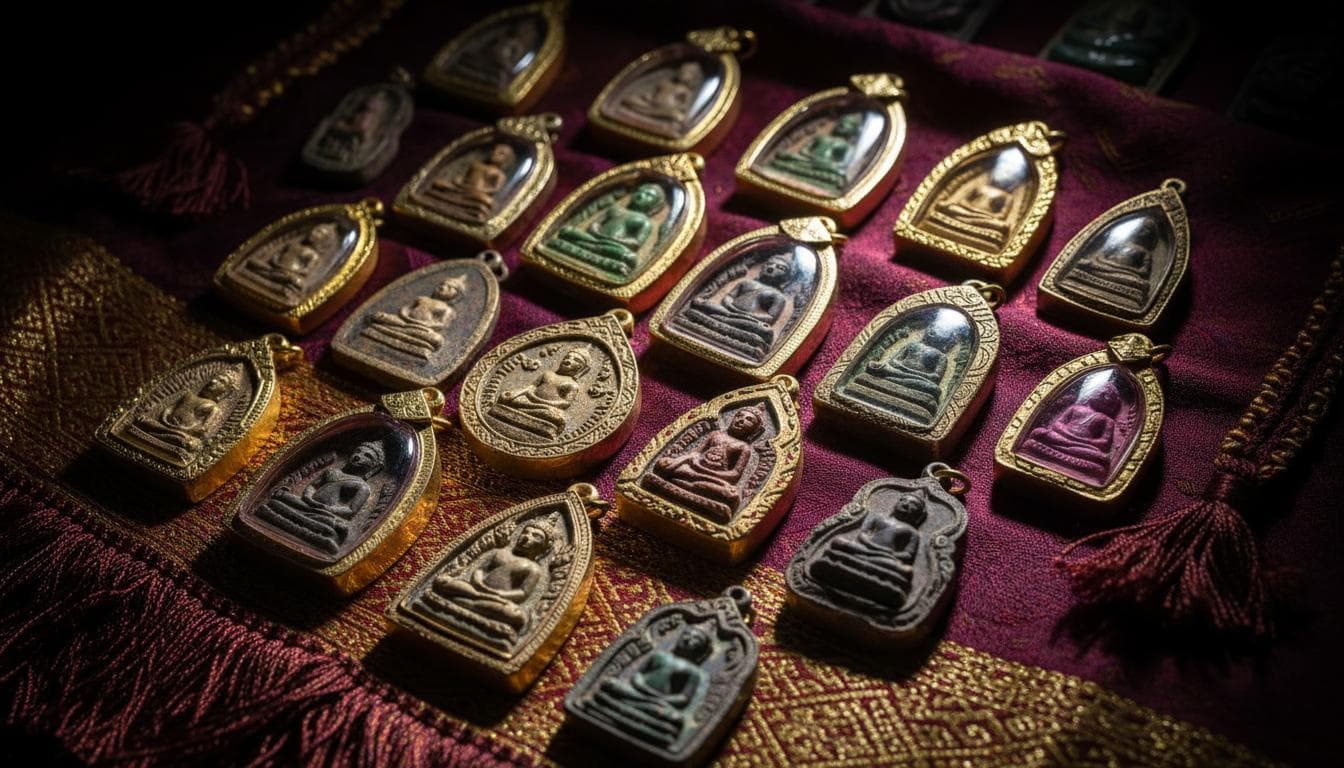
Luang Phor Sodh created amulets primarily in his later years, after his method had attracted widespread following. His pieces are notable for:
- Meditation imagery — figures depicting the Dhammakaya visualization practice
- Crystal incorporation — some pieces include crystal elements reflecting his visual meditation technique
- Distinctive paste composition — incorporating ingredients from his ceremonial practice
- Conservative aesthetic — reflecting his scholarly, disciplined character
Authentic LP Sodh amulets are relatively scarce compared to his enormous posthumous following and command collector interest accordingly.
The Dhammakaya Temple Today
The movement Luang Phor Sodh founded has expanded into the famous Wat Phra Dhammakaya in Pathum Thani province — one of the largest Buddhist temples in the world, with a distinctive circular design accommodating hundreds of thousands of meditators in its outdoor plaza.
The contemporary Dhammakaya organization produces amulets extensively and has been among the most active users of digital media to spread its products and teachings globally. This makes it unusual in Thai amulet culture — most significant amulet traditions are resolutely traditional in their communication.
Collecting Sodh Lineage Pieces
For collectors, the Sodh lineage offers:
- A clearly documented historical master with verifiable biography
- A living institutional context that maintains records
- A distinct aesthetic that is recognizable and well-documented
- An interesting position at the intersection of traditional and modern Thai Buddhism
The collector market for LP Sodh pieces and those from his direct disciples (Khun Yai Ubasika Chan Khonnokyoong, his principal female student) is active and informed. Panya's lineage tracking tools are well-suited for documenting the distinct meditation-focused aesthetic of Sodh tradition pieces.