Jatukam Ramathep: The Amulet That Shook Thailand
The fascinating story of how an obscure southern Thai amulet became a national phenomenon in the 2000s, and what it reveals about amulet culture.

A Fever That Gripped a Nation
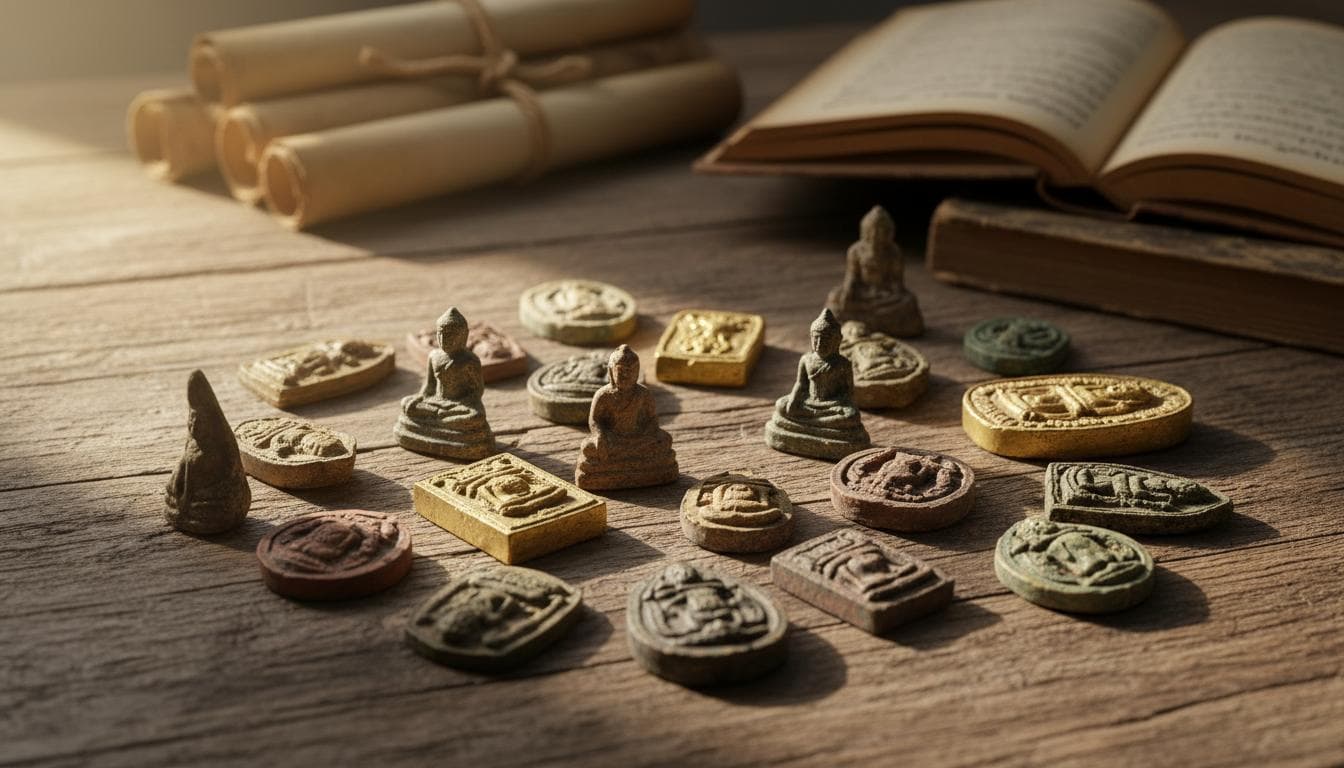
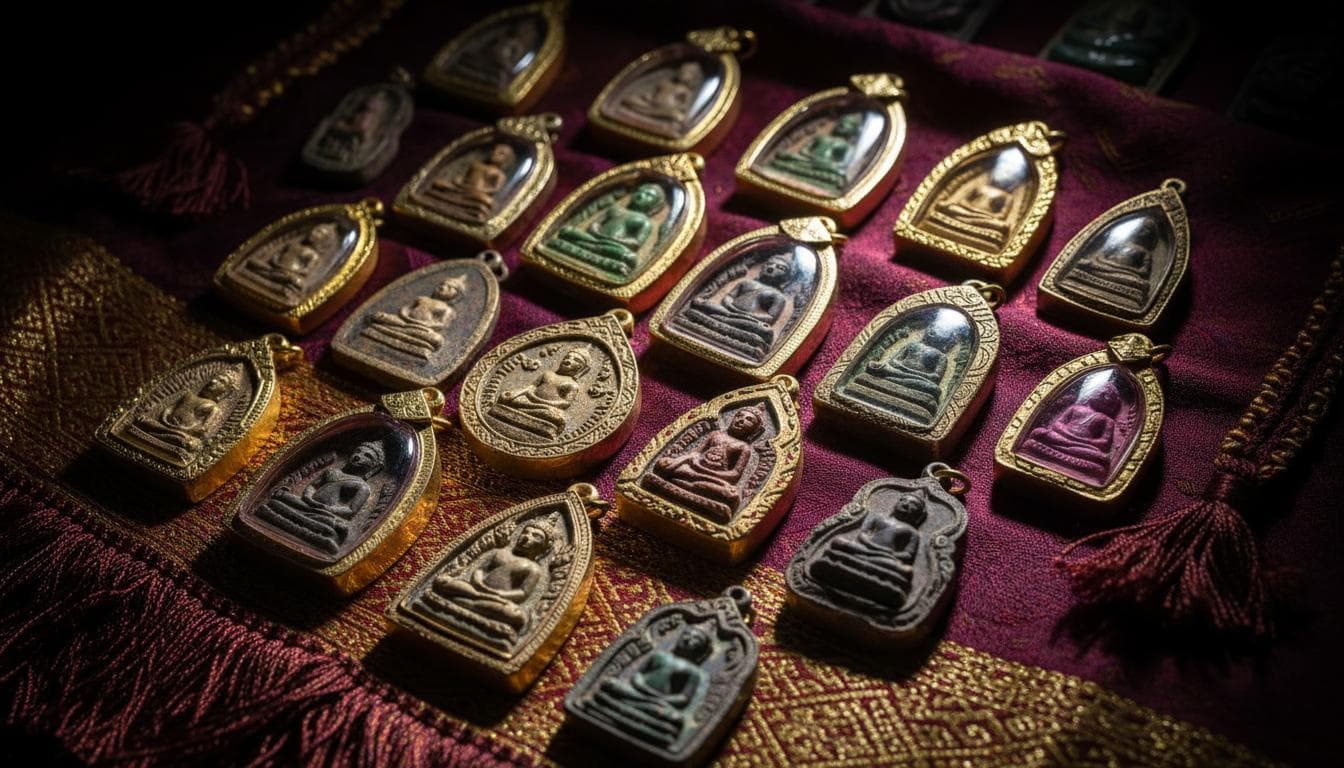
In 2006–2007, Thailand was gripped by an extraordinary amulet craze centered on a single piece from the southern city of Nakhon Si Thammarat: the Jatukam Ramathep. Long lines formed outside temples producing new batches. Traffic jams blocked city streets for kilometers. People slept overnight on pavements for the chance to acquire a piece. The total value of Jatukam Ramathep amulets produced and traded during the fever years may have exceeded 30 billion baht.
Understanding this phenomenon reveals much about how amulet culture functions in Thai society.
Origins: An Old Obscurity
Jatukam Ramathep is named after two princes of the ancient Tambralinga kingdom who are said to protect the city of Nakhon Si Thammarat and are associated with the city's great Wat Phra Mahathat temple. The tradition was relatively obscure, primarily local, for most of its history.
The modern amulet was created in 1987 by Police Major General Khun Phantharakrajchadej, an officer attached to the Nakhon Si Thammarat provincial police, in collaboration with the abbot of Wat Mahathat. The original intention was to raise funds for a police station building — a common temple-police collaboration.
The first batch sold out quickly and was credited by wearers with various forms of good fortune. Subsequent batches expanded the tradition slowly through the late 1980s and 1990s.
The Catalyst: A Lottery Winner's Attribution
The phenomenon's ignition is typically traced to a significant lottery winner who publicly attributed his fortune to wearing Jatukam Ramathep. This attribution received extensive media coverage in a Thai media landscape newly expanded by satellite television and early internet. The combination of a dramatic personal testimony with media amplification created a tipping point.
The Mechanics of the Fever
The fever operated through several reinforcing dynamics:
**Attribution stories:** Each reported success story — business turnaround, accident avoidance, unexpected windfall — increased demand among people hoping for similar results.
**Scarcity signals:** Limited batches created genuine scarcity, which drove urgency. As prices rose in the secondary market, early buyers' testimony to the amulet's wealth-generating power seemed self-evidently confirmed.
**Social proof:** When millions of Thais were seen wearing Jatukam, the social pressure to participate — and the fear of missing out — became powerful independent motivators beyond spiritual belief.
**Media amplification:** Thai television covered the phenomenon intensively, which both documented and accelerated it.
The Collapse
By late 2007, production had expanded so enormously — hundreds of temples and commercial producers creating batches — that the market became flooded. Prices collapsed. The secondary market dried up. Many people who had speculated on the amulets as investments found themselves holding pieces worth a fraction of what they paid.
The Jatukam fever left mixed feelings in the Thai Buddhist community — pride in the tradition's vitality, concern about commercialization, and sober reflection on the distinction between genuine spiritual seeking and speculative fever.
What It Reveals
The Jatukam phenomenon reveals the complex social dynamics underlying Thai amulet culture:
- Spiritual belief, social proof, and economic speculation can become powerfully entangled
- Media amplification can transform modest religious traditions into mass phenomena
- The Thai public's deep engagement with amulet culture means these events can achieve extraordinary scale
For collectors, the lesson is practical: distinguishing genuine spiritual value from speculative fever is essential, and the market's short-term excitement is a poor guide to long-term value. Panya's market data and community discussions help collectors stay grounded in fundamentals rather than chasing hype.