Thai Amulet Collecting in the Digital Era
How smartphones, apps like Panya, and social media are transforming a centuries-old Thai amulet collecting tradition while preserving its essential spiritual character.

Tradition Meets Technology
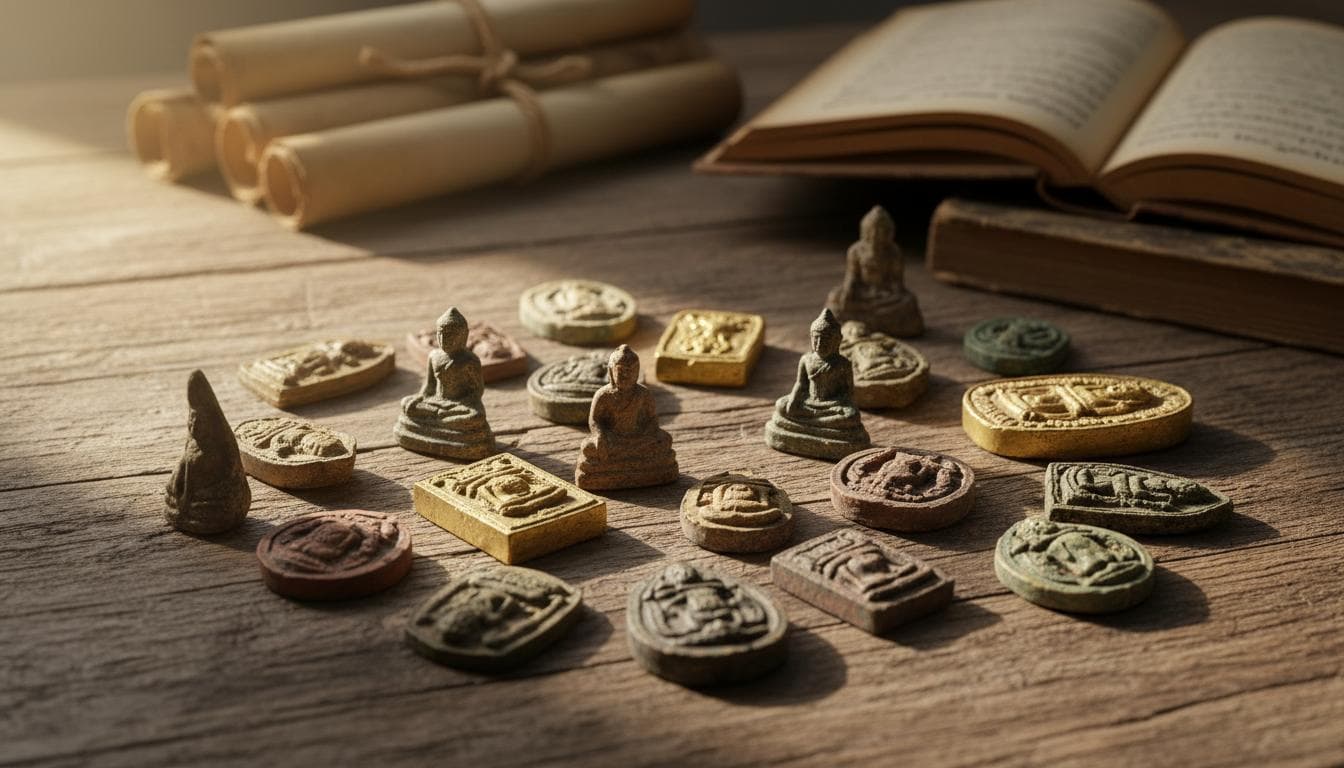
Thai amulet culture is one of the oldest living collectible traditions in Asia. It has survived the fall of kingdoms, colonial pressures, modernization, and globalization. Now it faces its latest transformation: the digital revolution.
The Pre-Digital Collector's World
Before smartphones, amulet collecting was intensely local and tactile:
- Knowledge came from physical books, magazines, and experienced elders
- Trading happened at markets, temple fairs, and through personal networks
- Authentication required physical examination by recognized experts
- Provenance was maintained through paper documentation and memory
This world still exists and remains primary — but it is being rapidly supplemented by digital infrastructure.
Social Media's Impact
Facebook Groups have become the dominant digital medium for Thai amulet culture:
- Hundreds of specialized groups, from general interest to highly specific (single monk, single temple, single amulet type)
- Members post images for identification and valuation
- Dealers announce new batch arrivals and private sales
- Community authentication through crowdsourced expert opinion
The limitation is significant: photograph quality varies enormously, and images alone cannot substitute for physical examination of high-value pieces. But for education, networking, and lower-value transactions, Facebook groups function as a genuine digital market.
YouTube and Amulet Education
A growing library of Thai-language and some English-language YouTube content covers:
- Temple ceremony coverage (Phutthaphisek live streams are increasingly common)
- Master collector teaching sessions on specific amulet categories
- Authentication tutorial videos
- Museum and collection tours
For international collectors especially, video content provides access to visual education that was previously impossible without physical presence in Thailand.
Dedicated Apps: The Next Frontier
Purpose-built applications for amulet collectors are emerging with features traditional platforms can't match:
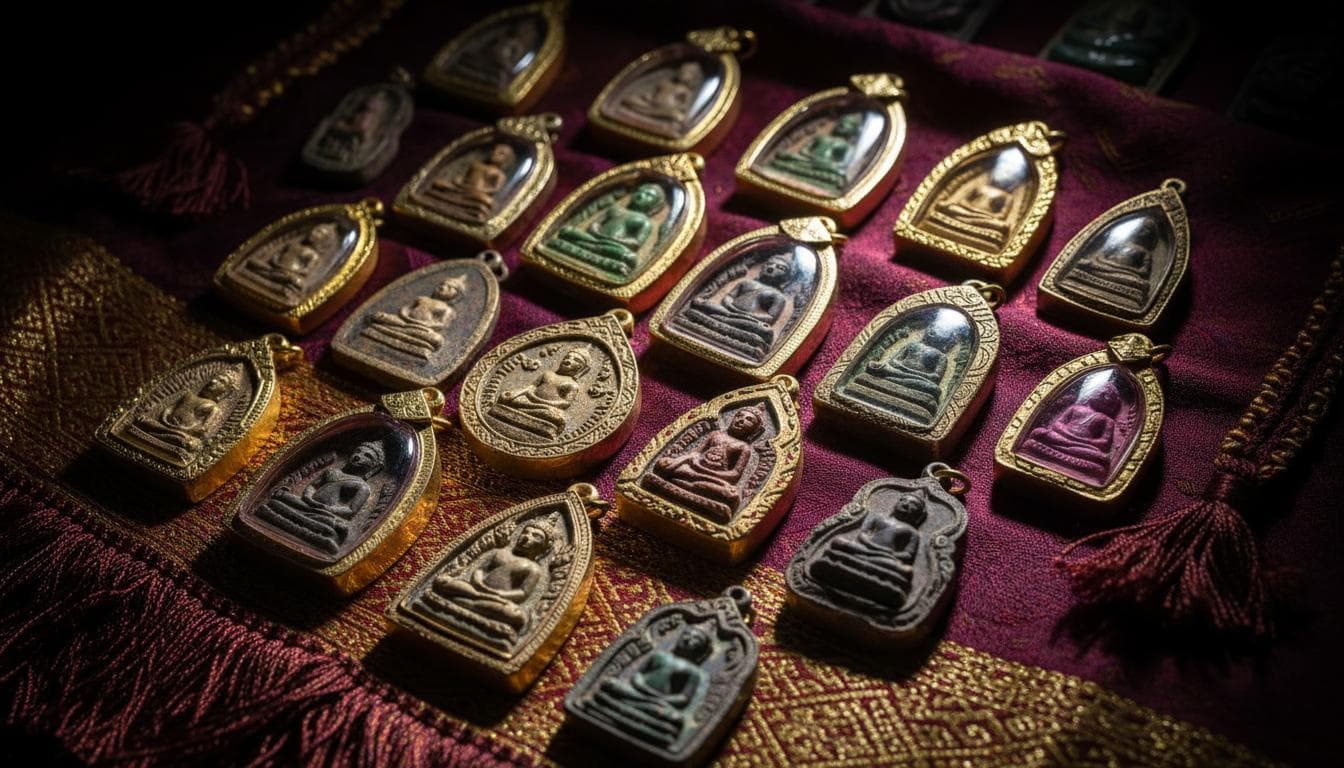
- Structured cataloging — with standardized fields for monk, temple, batch, year, material
- High-quality image capture — with guided photography for multiple angles
- Community verification — built into the platform workflow
- Expert consultation — integrated into the app experience
- Collection valuation tracking — using market data
Panya represents this next generation of collector tools — combining the practical database needs of serious collectors with community features that support knowledge sharing and authentication.
AI and Amulet Authentication
Artificial intelligence is beginning to touch the authentication question. Computer vision systems trained on large databases of authenticated and rejected pieces can flag obvious reproductions and flag suspicious features for human expert review.
The limitation is fundamental: AI cannot evaluate spiritual biography or transmission of merit — the core of what makes an amulet "real" in Thai Buddhist understanding. But AI as a pre-screening tool that catches crude forgeries and directs expert attention more efficiently is already being explored.
The Persistent Primacy of Physical
Despite all digital innovation, the most serious collectors and dealers insist that physical examination remains primary for significant purchases. The tactile qualities — weight, surface texture, aging patterns, UV fluorescence, the particular feel of authentic old material — cannot be fully transmitted through photographs.
Digital tools expand access, accelerate learning, and improve record-keeping. They do not replace the hands-on expertise that distinguishes the best collectors. The most effective approach uses both: digital tools for research, networking, and cataloging, and physical examination for authentication of anything valuable.