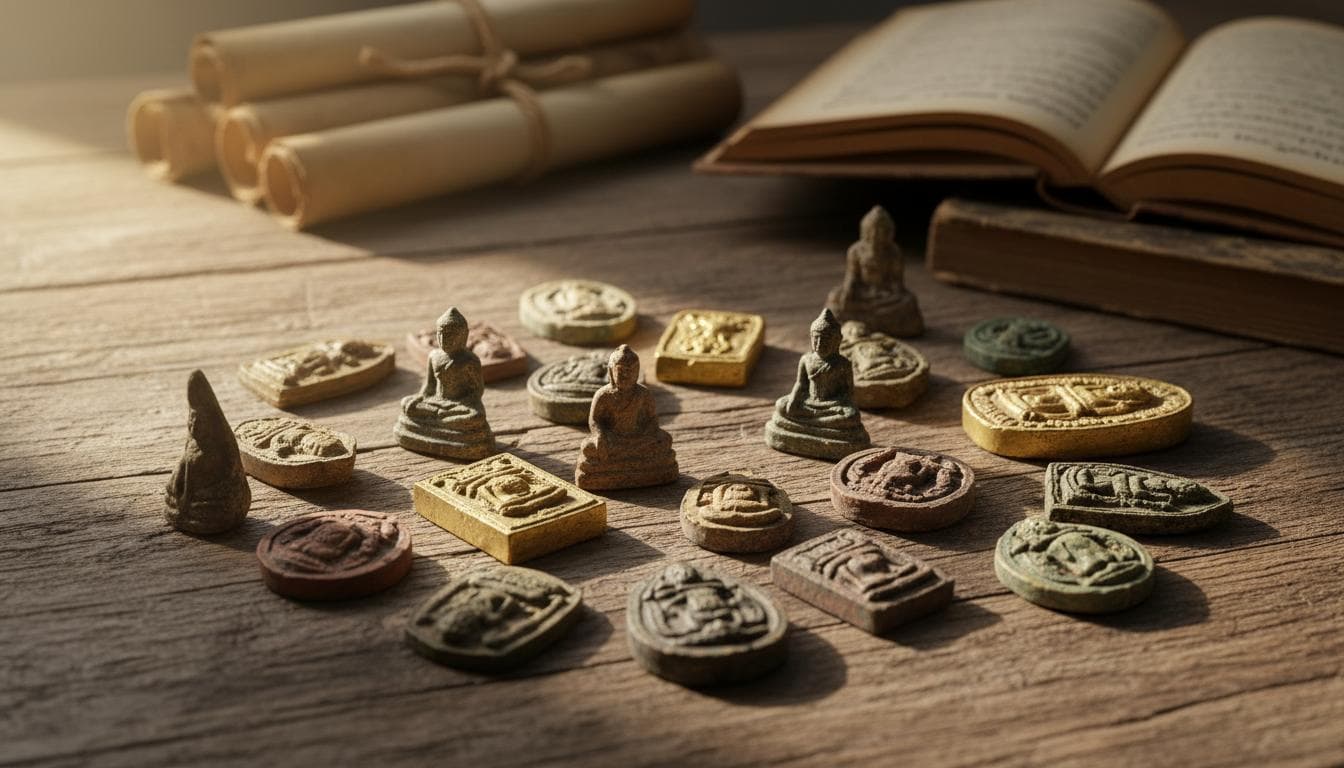
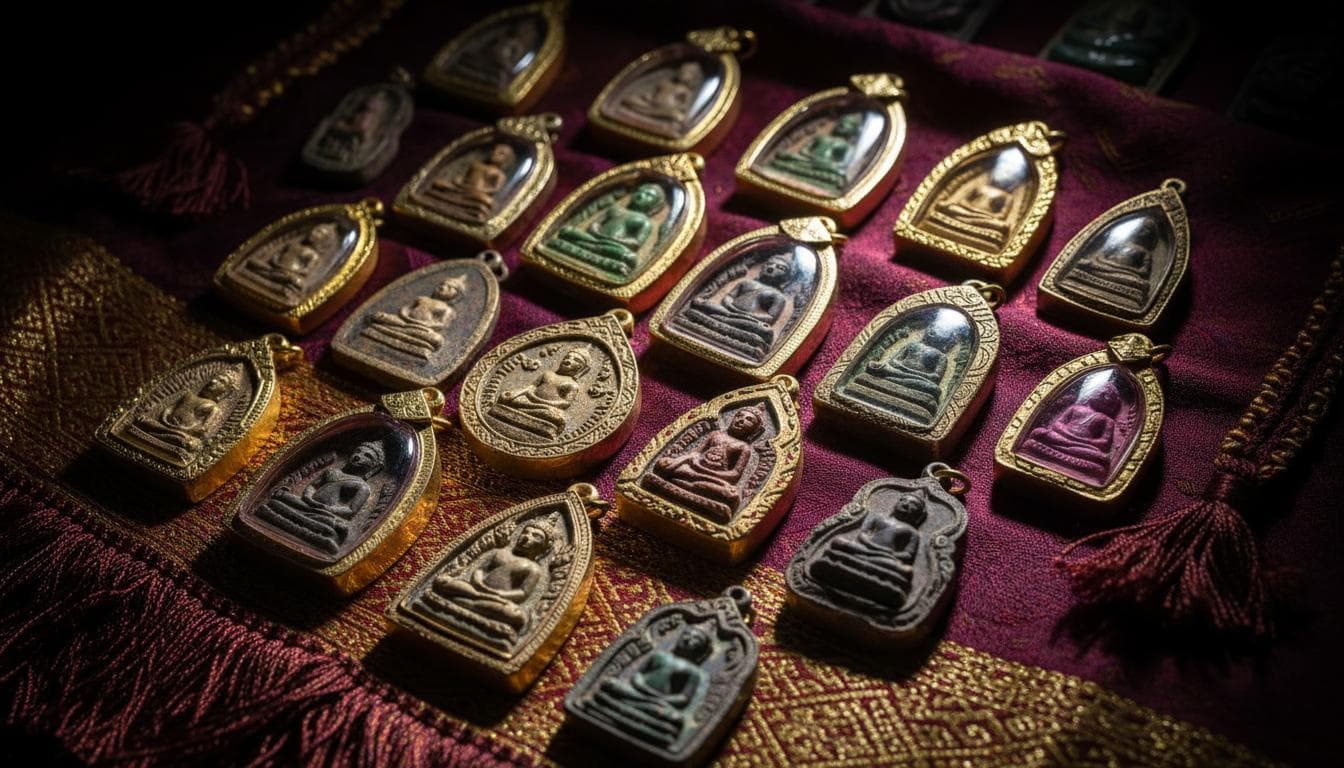
Caring for Your Amulet Collection: Preservation and Respect
Essential guidance on properly storing, cleaning, and maintaining Thai amulets — both physically and spiritually — including how Panya helps collectors keep thorough stewardship records.

Stewardship as Devotion
Collecting Thai amulets carries responsibilities that extend beyond cataloging and storage. In Thai Buddhist understanding, amulets are sacred objects deserving of care and respect — treating them carelessly is not just physically damaging but spiritually disrespectful.
Physical Preservation Principles
**Temperature and Humidity**
- Avoid prolonged exposure to direct sunlight, which can fade surface details and dry out powder amulets
- High humidity promotes mold growth on organic materials in paste amulets — keep storage areas dry
- Avoid extreme temperature fluctuations, which can cause materials to expand and contract, creating micro-fractures
**Storage Materials**
- Acid-free materials prevent chemical degradation of paste surfaces
- Soft cloth or foam padding protects from scratching
- Individual compartments prevent amulets from contacting each other
- For high-value pieces, professional archival storage solutions are worth the investment
**Cleaning Guidelines**
- Powder and clay amulets: never use water or liquid cleaners — they dissolve or weaken the paste
- Gentle brush with a very soft dry brush to remove surface dust from cased pieces only
- Metal components: very light dry polish with a soft cloth if needed
- When in doubt, leave cleaning to a specialist — cleaning is the most common cause of value loss through physical damage
Spiritual Protocols
**Elevation and Position**
Thai tradition holds that sacred objects should be kept above waist level. Never place amulets on the floor, in a bathroom, or in low storage that would bring them below the physical mid-point of the body.
**Appropriate Spaces**
Dedicated display areas — altars, display cabinets, or at minimum elevated shelving — communicate respect. Many serious collectors maintain a small shrine area where their most significant pieces are displayed with fresh flowers, incense, and a small offering.
**Handling**
- Wash hands before handling significant pieces
- Handle with both hands when possible, a gesture of respect
- Avoid handling amulets with the feet or in close proximity to feet
**Wearing Protocols**
- Amulets worn around the neck should be kept above the waist — don't let long chains allow them to drop below belt level
- Remove when engaging in activities considered spiritually inappropriate for sacred objects
- Some collectors rotate which pieces they wear, giving each piece regular "active time" rather than permanent storage
Documentation as Stewardship
Maintaining thorough records is itself a form of stewardship:
- Photograph each piece from multiple angles when acquired
- Record all available provenance information immediately — memories fade and sellers become unavailable
- Store physical certificates and temple documentation in acid-free folders
- Maintain a digital backup of all records
Panya is designed exactly for this — its multi-photo capture, provenance fields, and cloud backup make amulet documentation dramatically easier and more durable than paper records alone.
When to Seek Professional Help
For significant pieces, involve professionals:
- Conservation specialists — for physical damage or deterioration
- Authentication experts — before any major sale or purchase
- Goldsmiths — for casing work — only use experienced amulet specialists, not general jewelry makers
- Temple abbots or senior monks — for spiritual questions about specific pieces
The investment in proper care protects both the physical and spiritual integrity of your collection for the long term.